

Helpful Information
Here are some of our team’s top picks for invertebrate-themed books, websites and further resources.
Dive in to get to know more about our inverts!
Non Fiction Books
Insect Science (FREE e-book)
Gurion Ang & Kathryn Ebert
DOWNLOAD

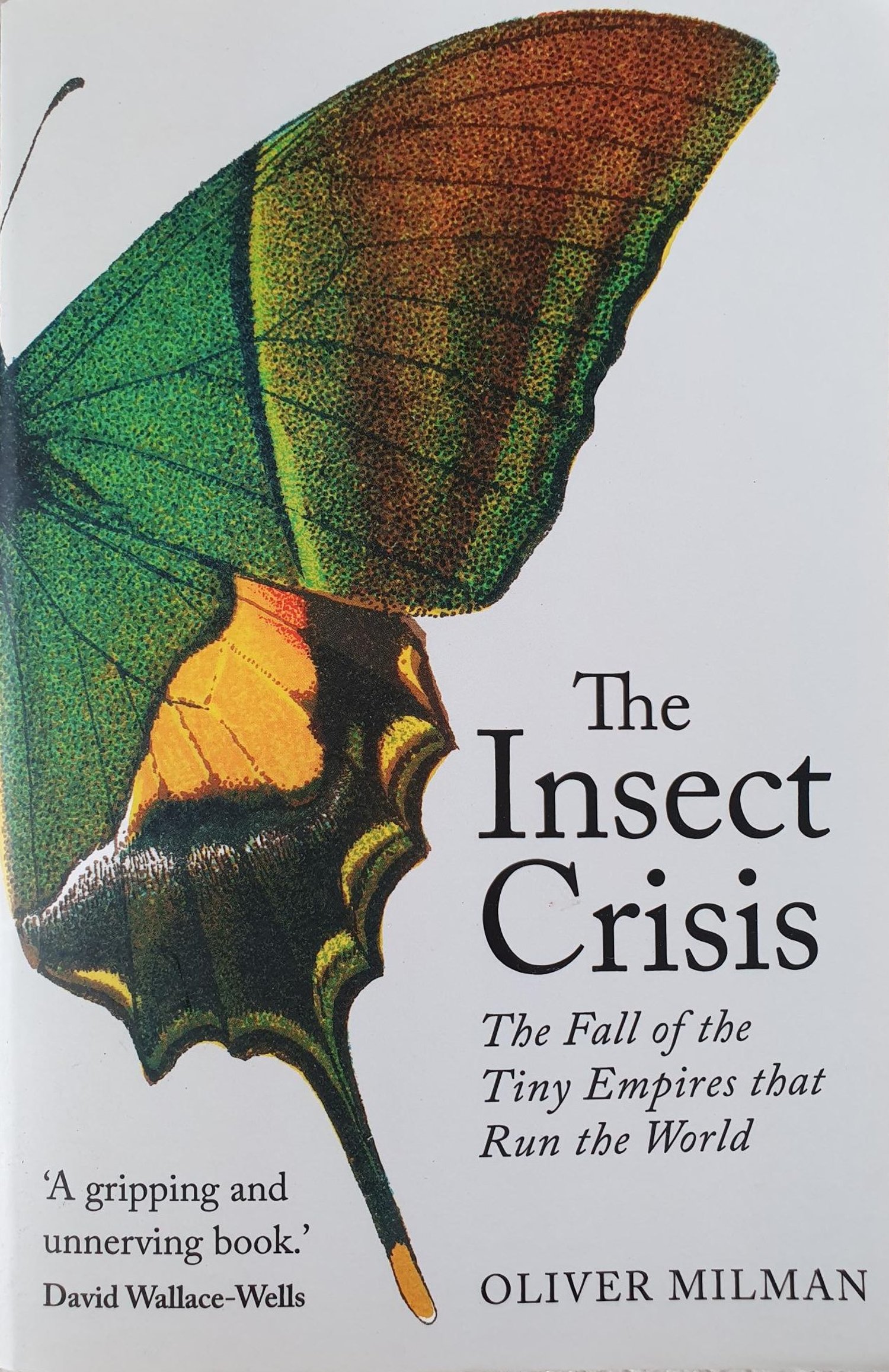
The Insect Crisis
Oliver Milman
Silent Earth
Dave Goulson

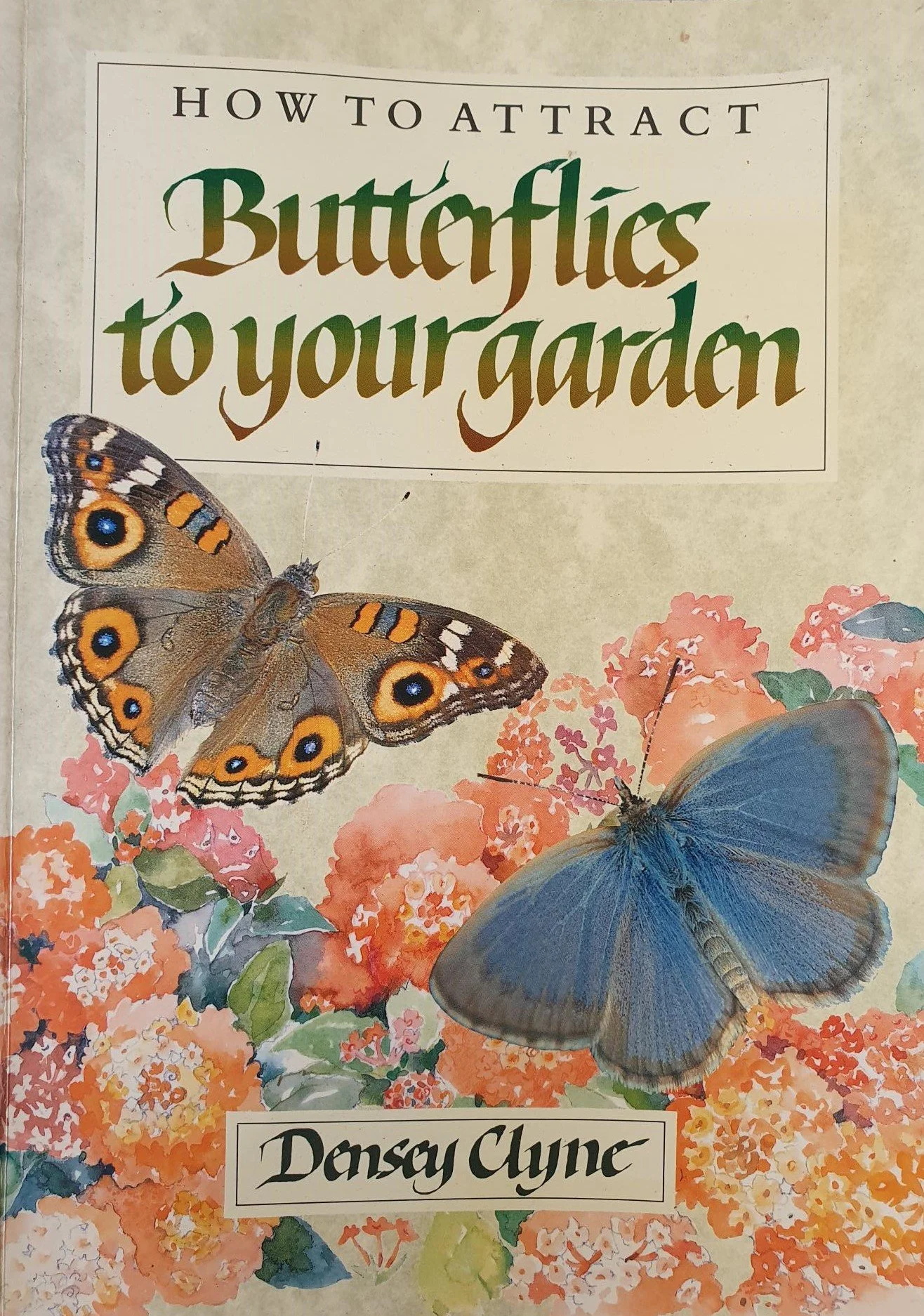
How to attract Butterflies to your garden
Densey Clyne
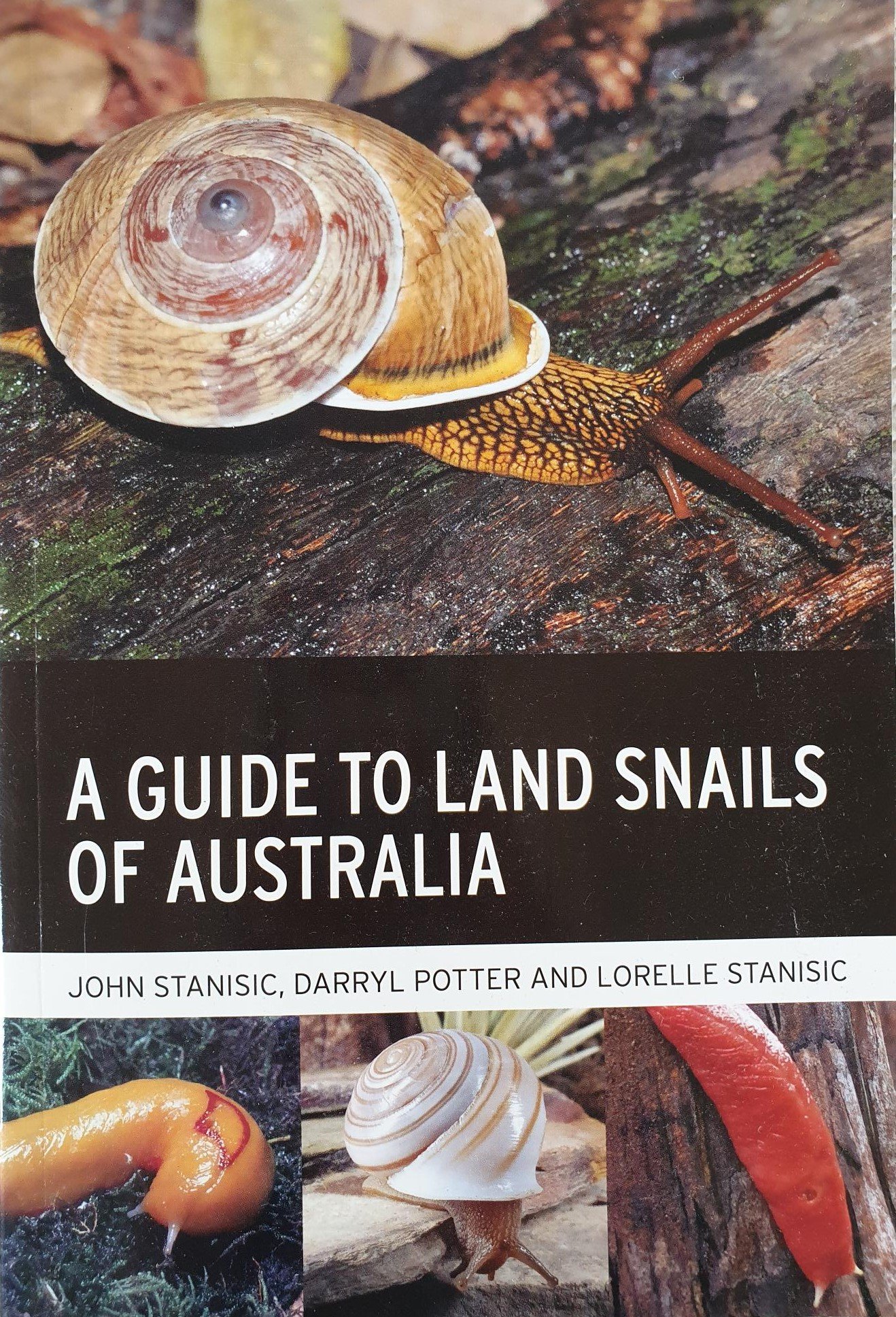
A guide to land snails of Australia
John Stanisic, Darryl Potter & Lorelle Stanisic
Australia's incredible insects
Jessa Thurman

The wasp and the orchid
Danielle Clode

A photo guide to common cicadas of the Greater Sydney Region
Dr Nathan Emery

Field Guide - Spiders of Australia
Robert Whyte & Greg Anderson
MORE INFORMATION

A World in a Shell: Snail Stories for a Time of Extinctions
Thom van Dooren

Spirals in Time: The Secret Life and Curious Afterlife of Seashells
Helen Scales

100 Australian butterflies, bees, beetles and bugs
Georgia Angus

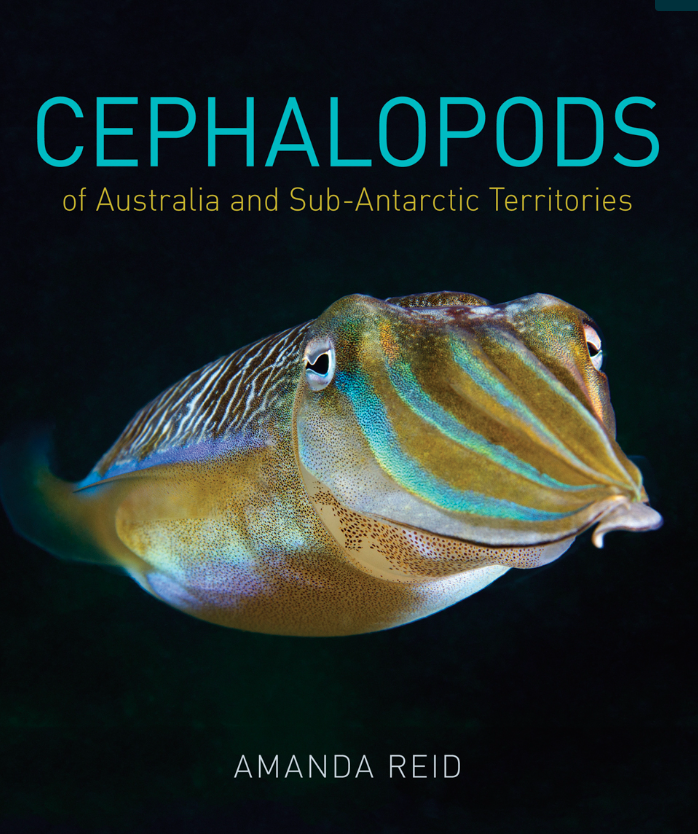
Cephalopods of Australia and Sub-Antarctic Territories
Amanda Reid
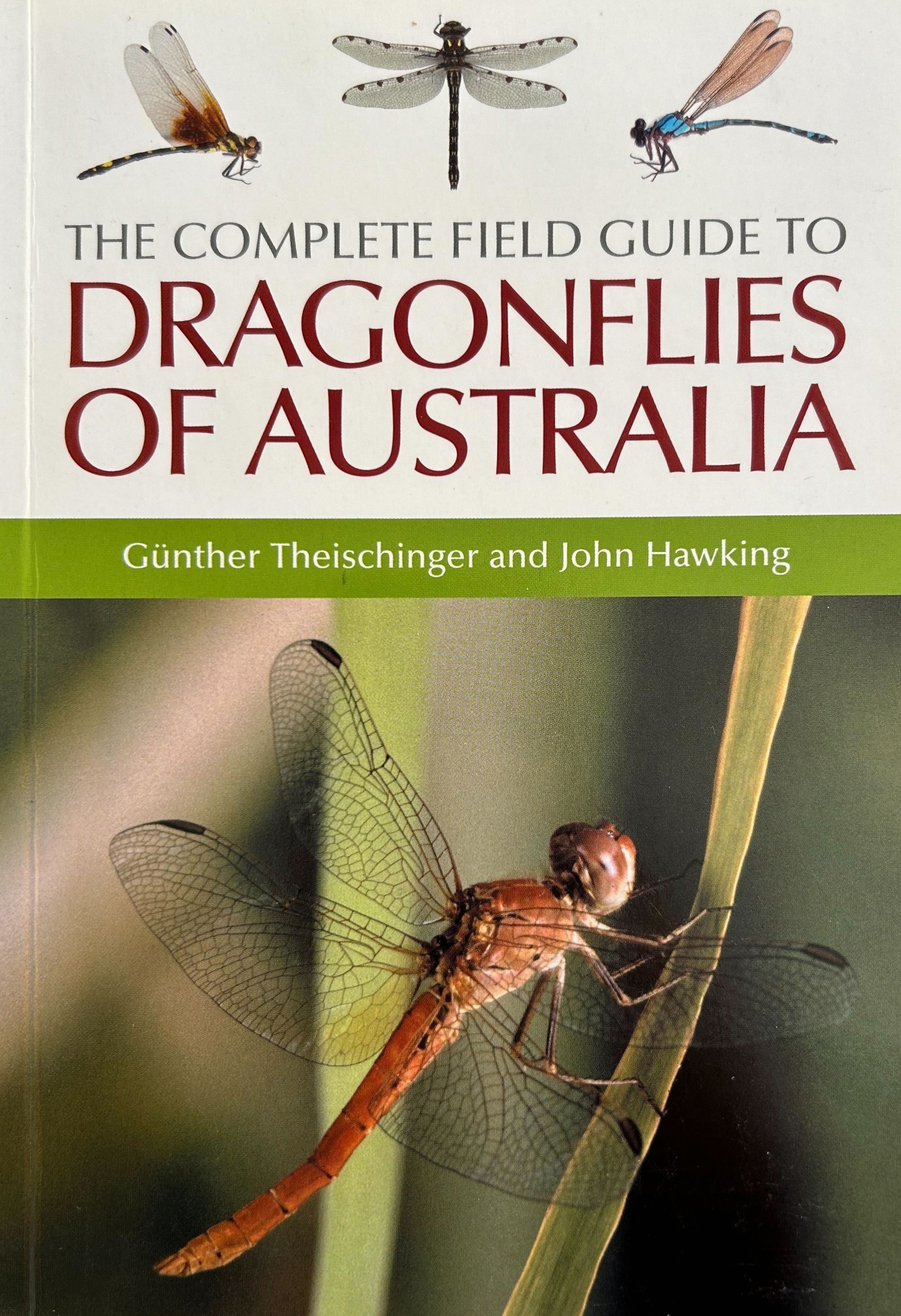
Field Guide - Dragonflies of Australia
John Hawking & Gunther Theischinger
Field Guide - Stick and Leaf Insects of Australia
Paul D Brock & Jack W Hasenpusch

Field Guide - Butterflies of Australia
Michael F Braby

Bugs Alive! A Guide to Keeping Australian Invertebrates
Alan Henderson, Deanna Henderson & Jessie Sinclair

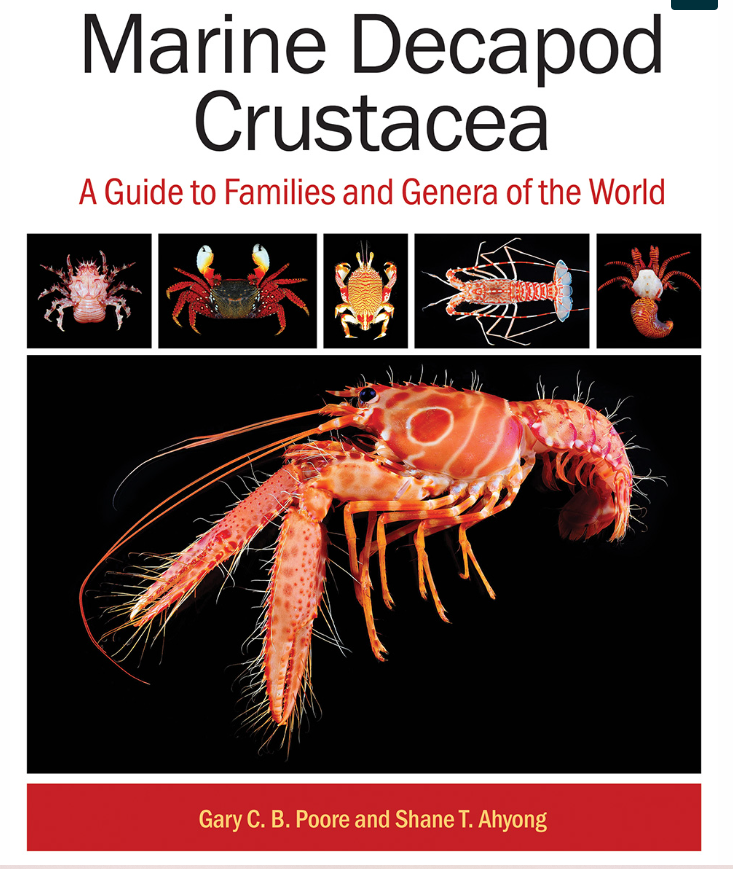
Marine Decapod Crustacea
Gary CB Poore & Shane T Ahyong
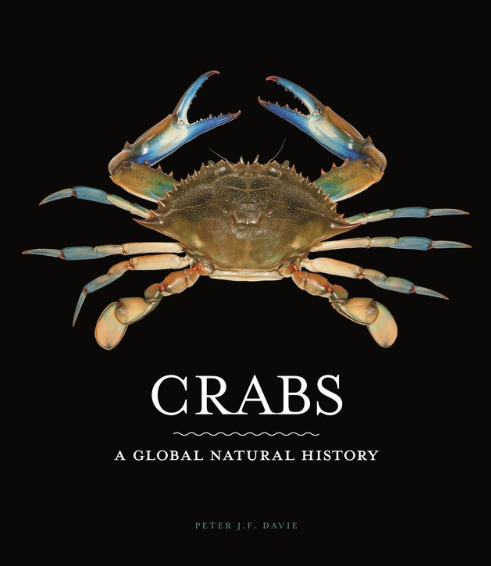
Crabs - A Global Natural History
Peter J. F. Davie
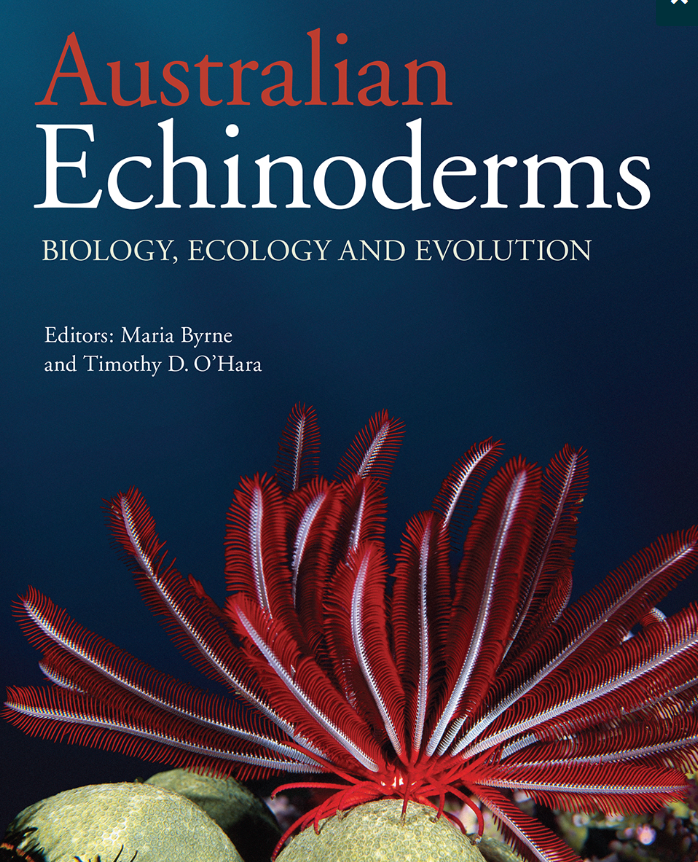
Australian Echinoderms
Maria Byrne & Timothy D O'Hara
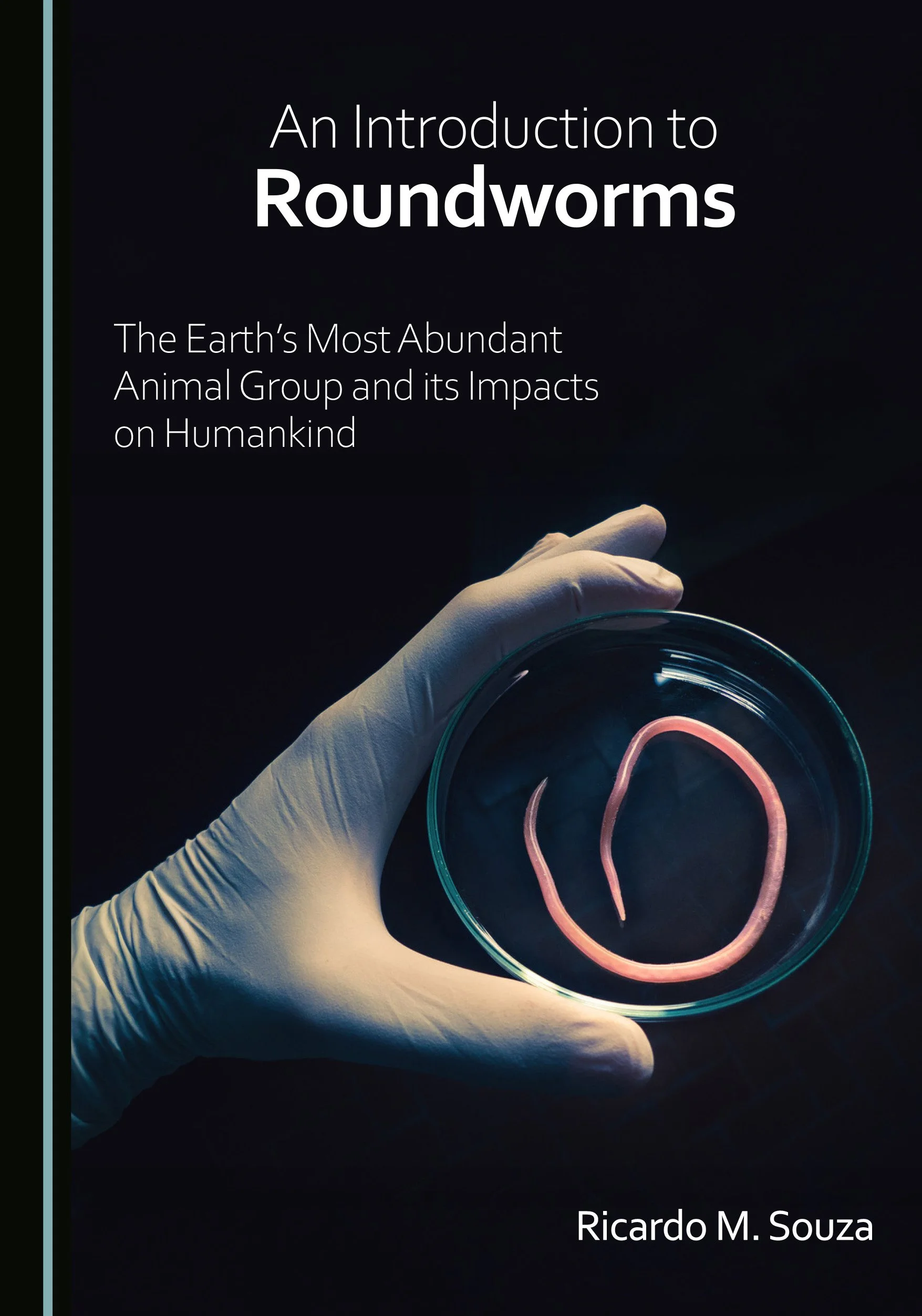
An Introduction to Roundworms
Ricardo M. Souza
MORE INFORMATION
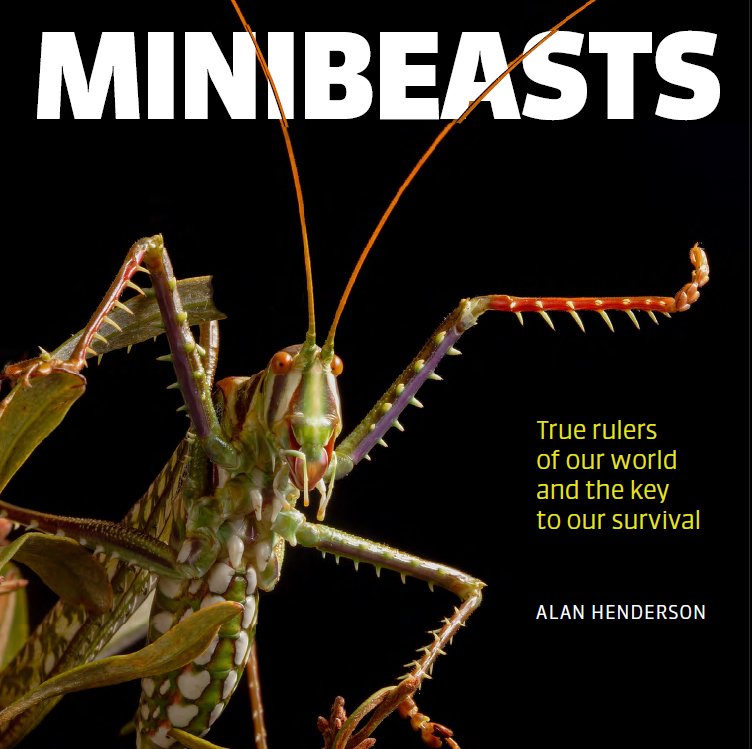
Minibeasts – True rulers of our world and the key to our survival
Alan Henderson
Children’s Books
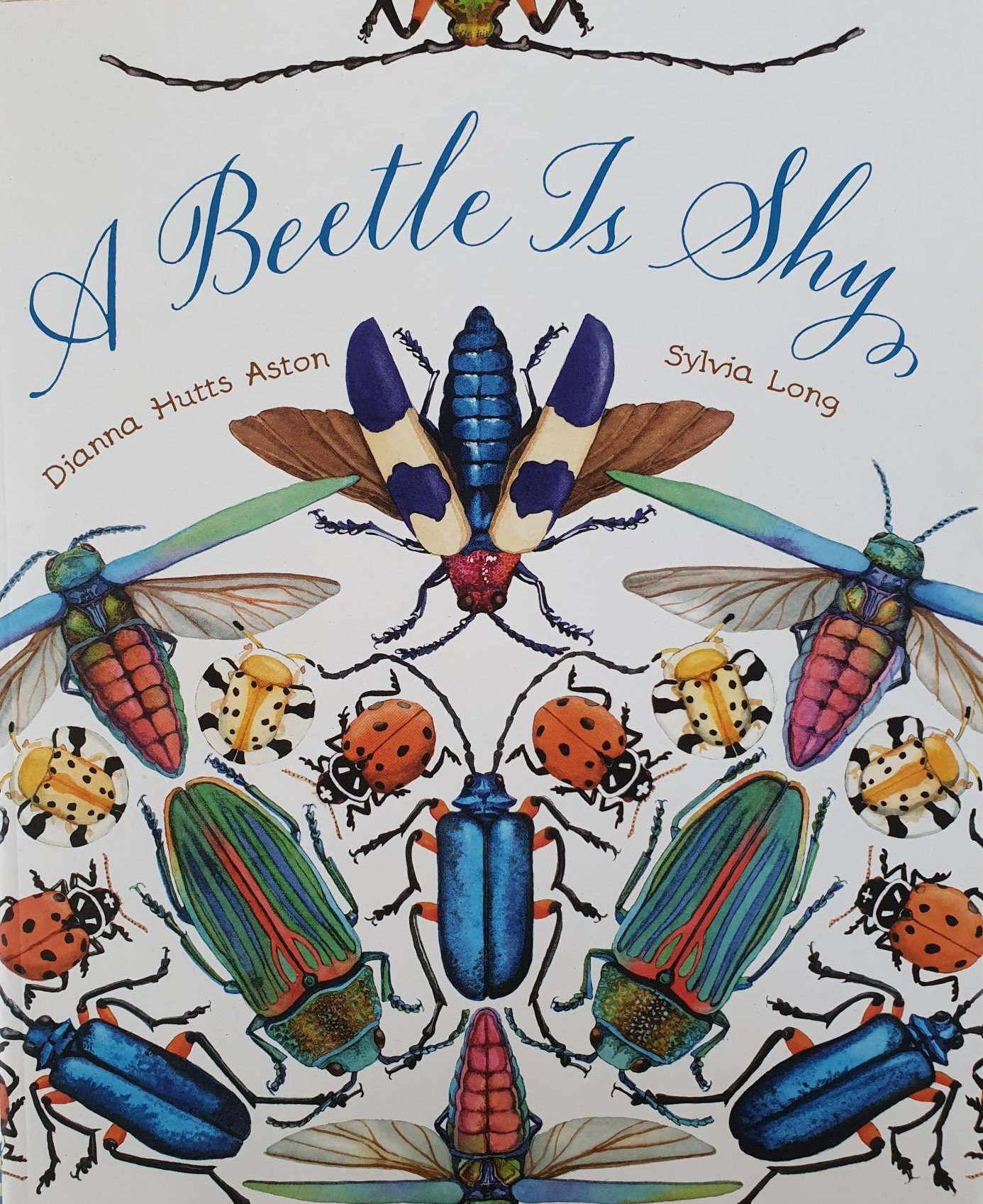
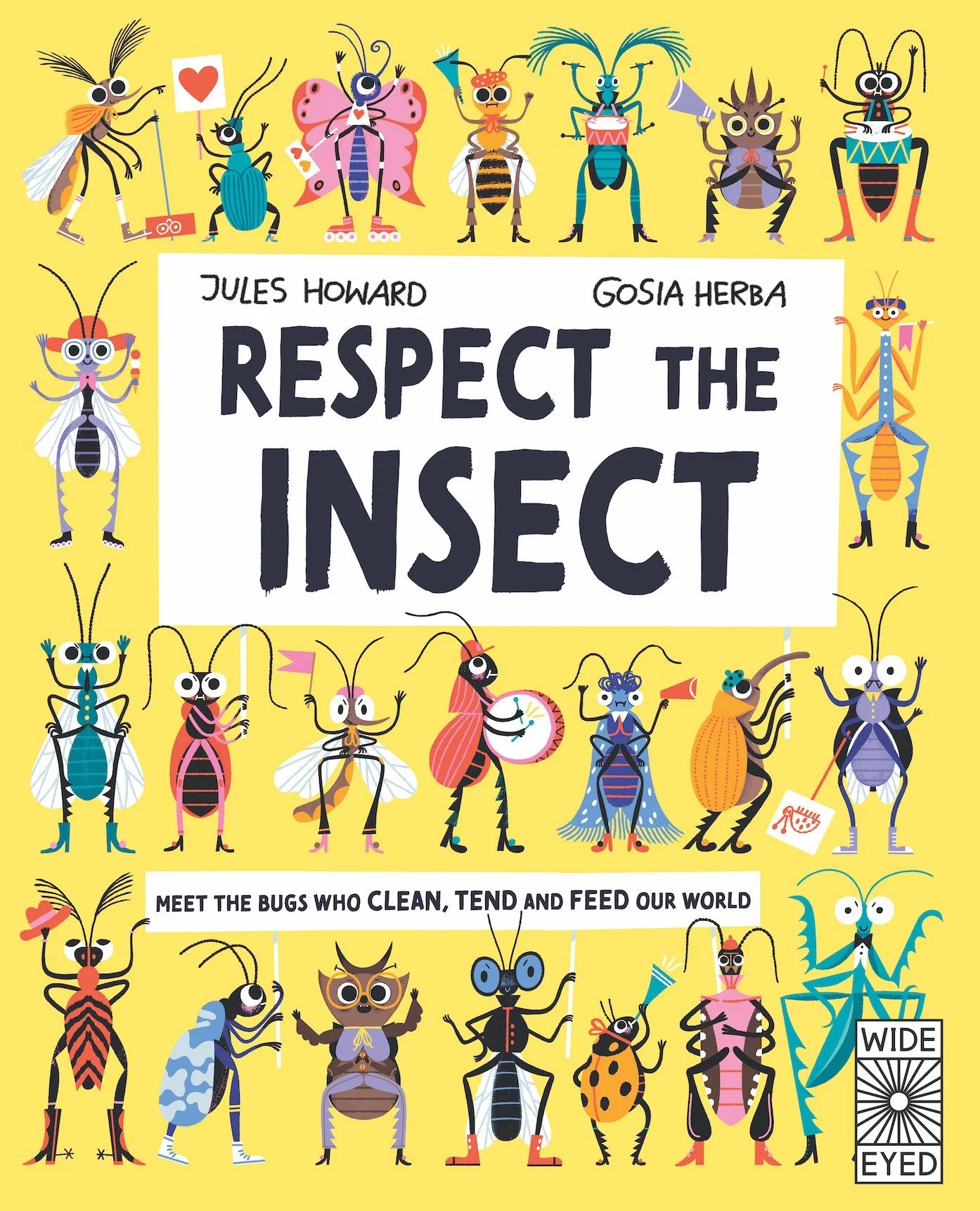
A beetle is shy
Dianna Hutts Aston & Sylvia Long
My little world
Julia Cooke & Marjorie Crosby-Fairall

Eyes on flies
Dr Bry the Fly Guy

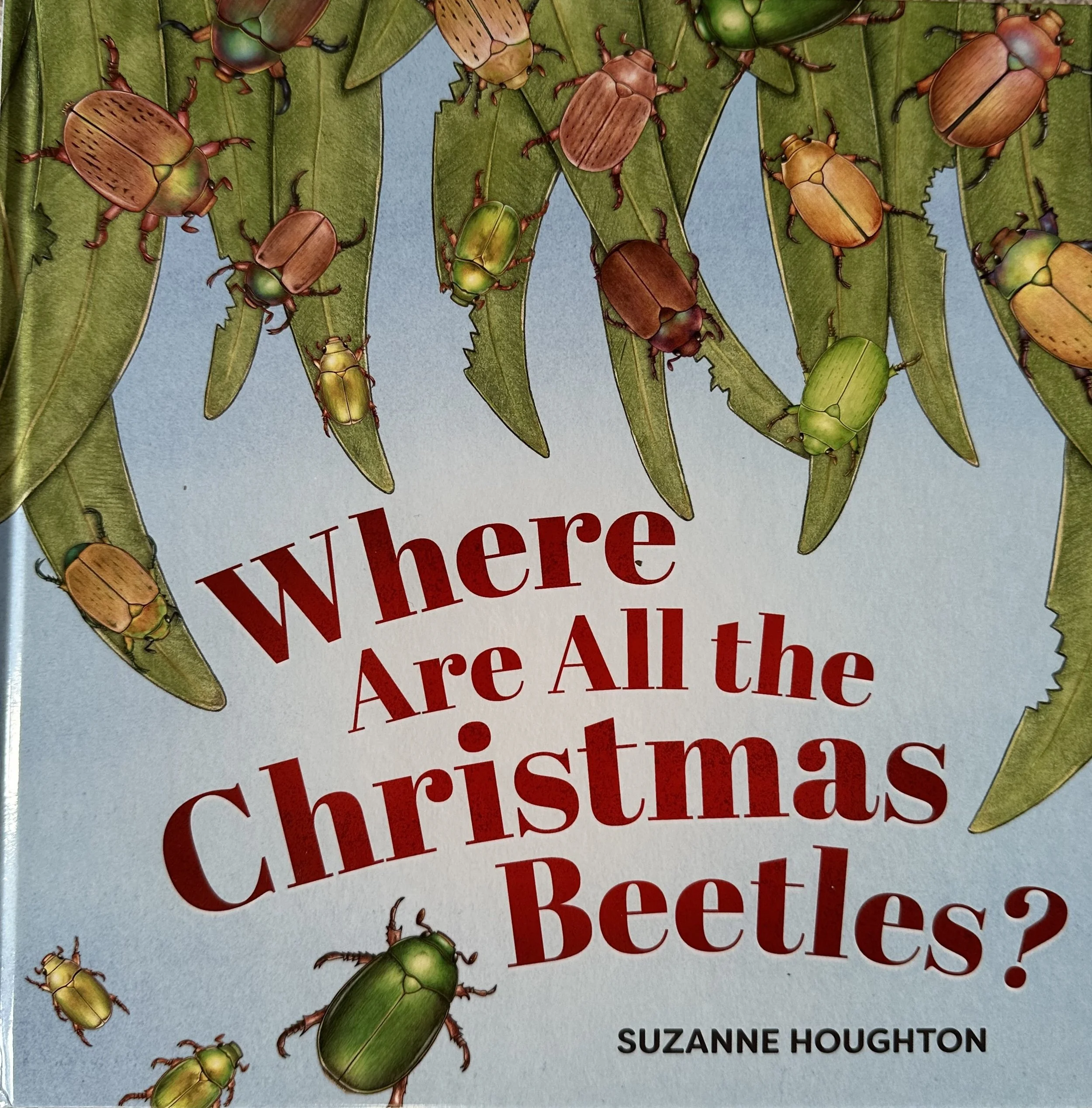
Where are all the Christmas beetles?
Suzanne Houghton
Slim and Flash - The garden lizards
Katherine Morris

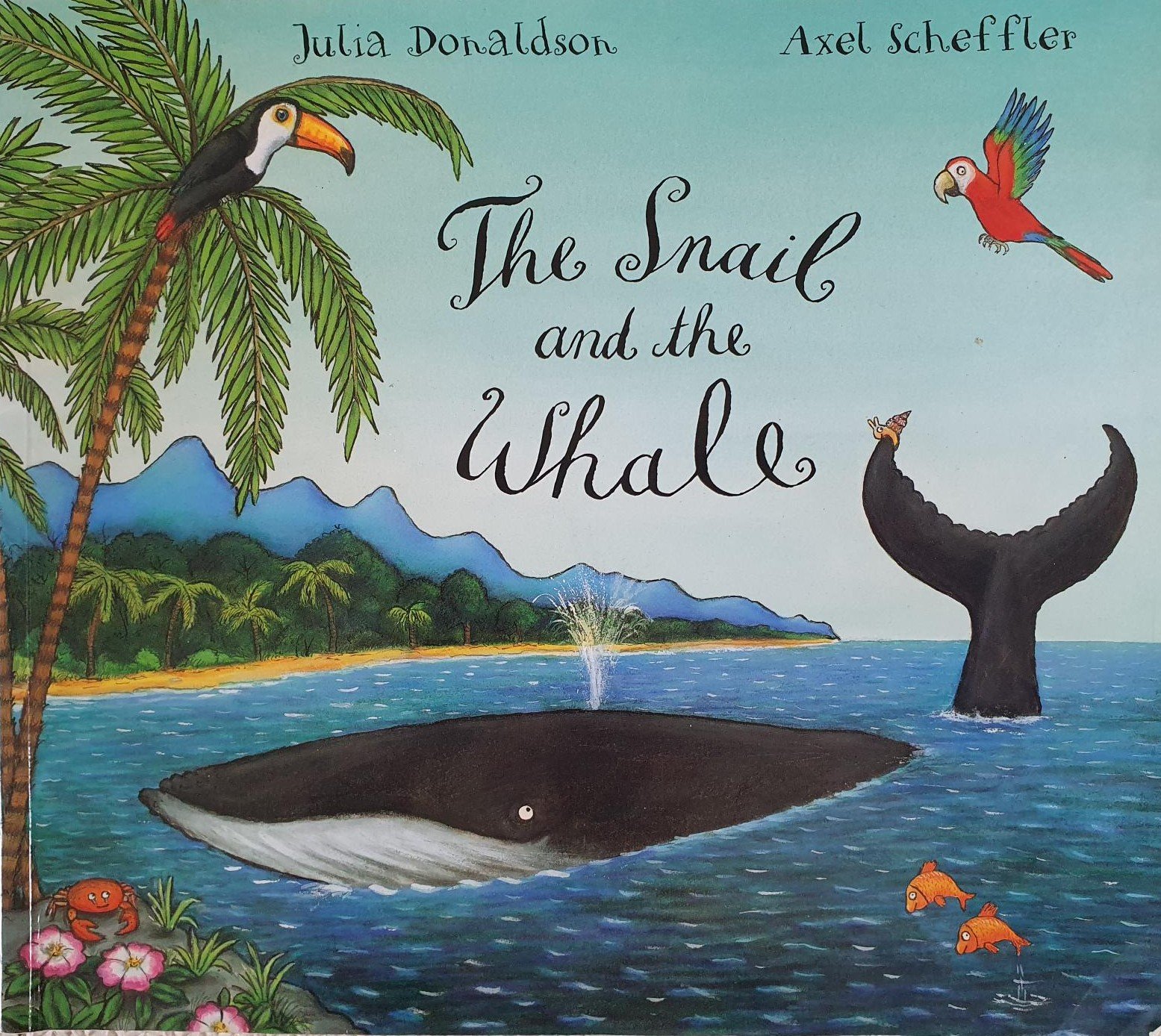
The snail and the whale
Julia Donaldson & Axel Scheffler
Rachel Carson and her book that the changed the world
Laurie Lawlor, illustrated by Laura Beingessner

First encyclopedia of Australian wildlife
Steve Parrish

Big bug, little bug
Paul Stickland

Our bugs
Bronwyn Bancroft

Zoom the busy dragonfly
Michelle Coleman & Rohini Chakraborty

Do not lick this book
Idan Ben-Barak and Julian Frost
(not about invertebrates, but so good!)


Sharing a Shell
Julia Donaldson & Lydia Monks

Bijil Ba Wudhi Deberra - Bijil and Moths
Aunty Loraine Padgham

First field guide to Australian insects and spiders
Steve Parish

The Book of Australian Minibeasts
Charles Hope

Game - Bug Bingo
Christine Berrie
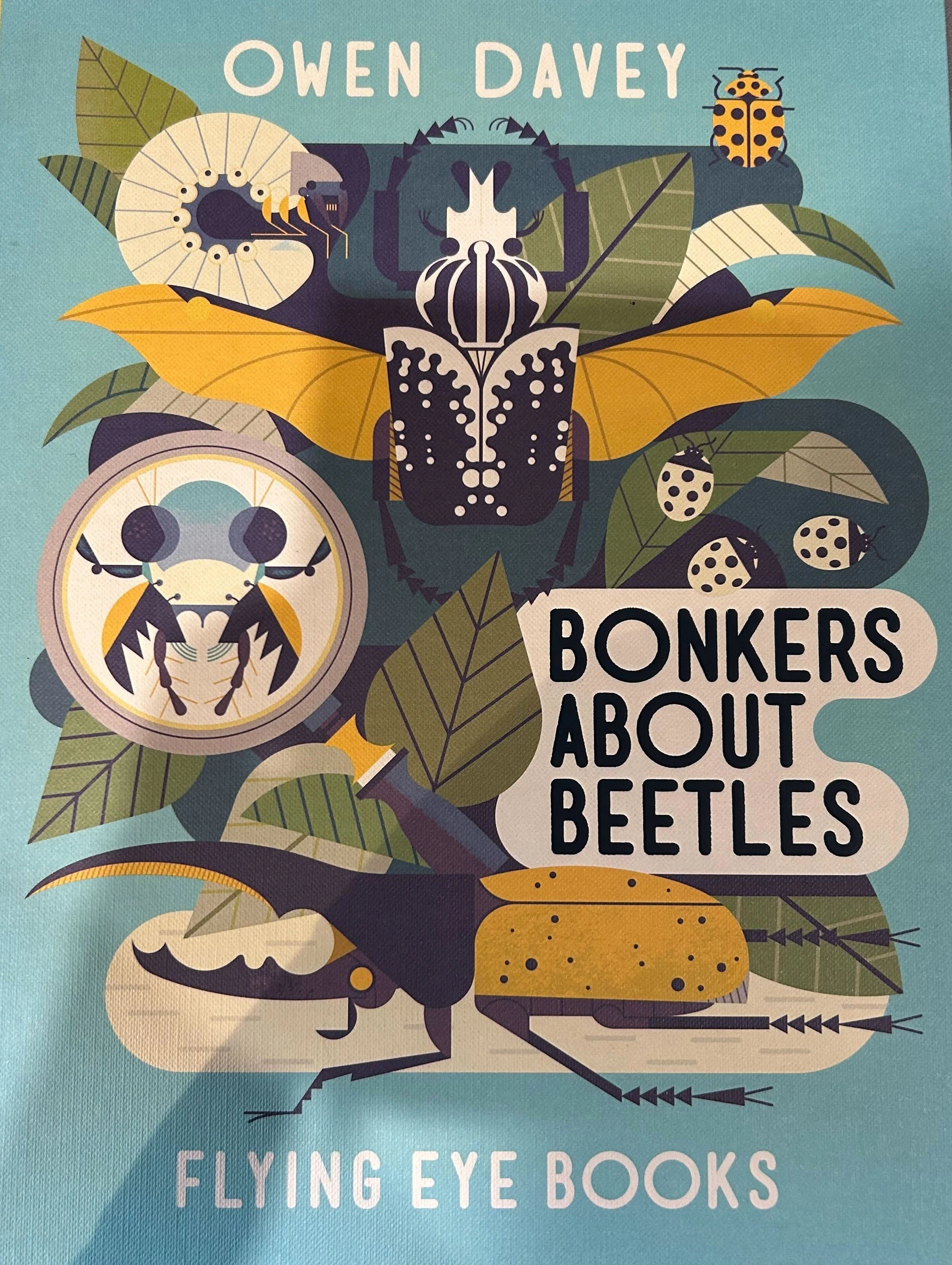
Bonkers About Beetles
Owen Davey
Illumibugs
Barbara Taylor & Carnovsky

Wonderful Wasps
Katrina Germein

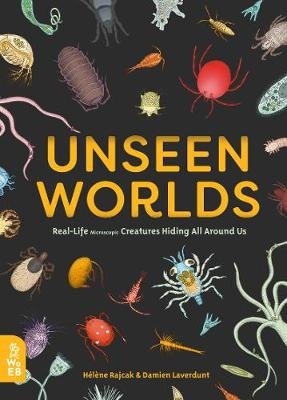
Unseen Worlds
Hélène Rajcak & Damien Laverdunt
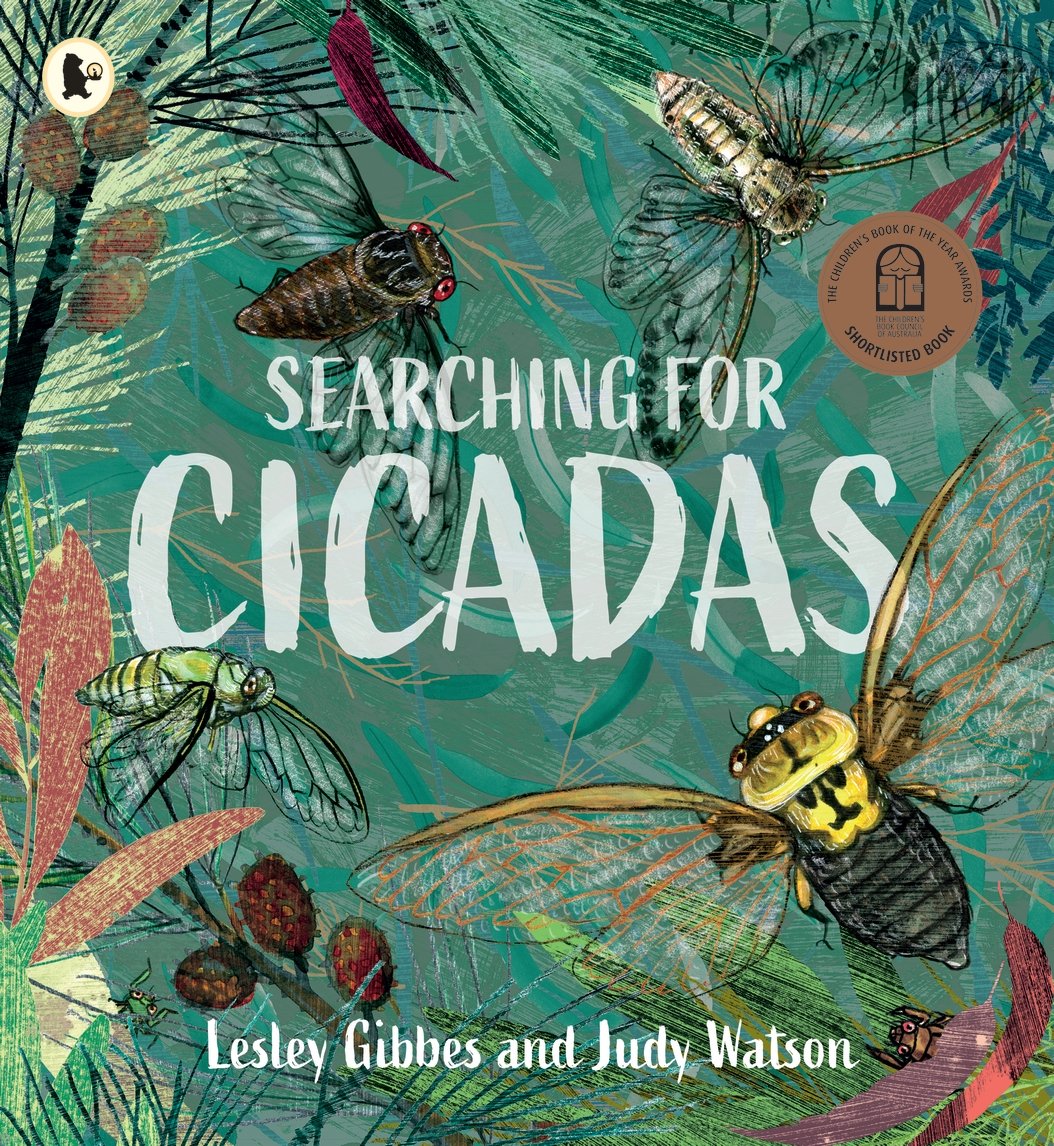
Searching for Cicadas
Lesley Gibbes & Judy Watson
Invertebrates have no Backbone
Sarah Ridley

One Little Dung Beetle
Rhian Williams

Incy-Wincy Spider
Igloo Books

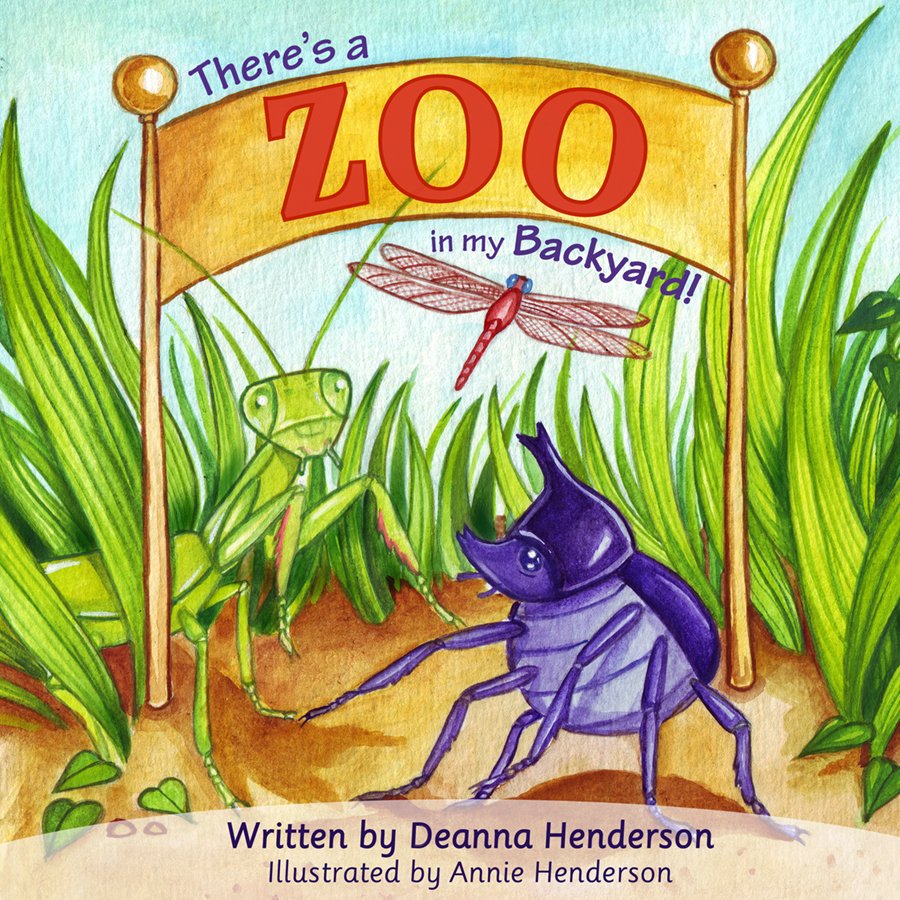
There’s a Zoo in my Backyard
Deanna Henderson
Saving the Lord Howe Island Stick Insect
Rohan Cleave

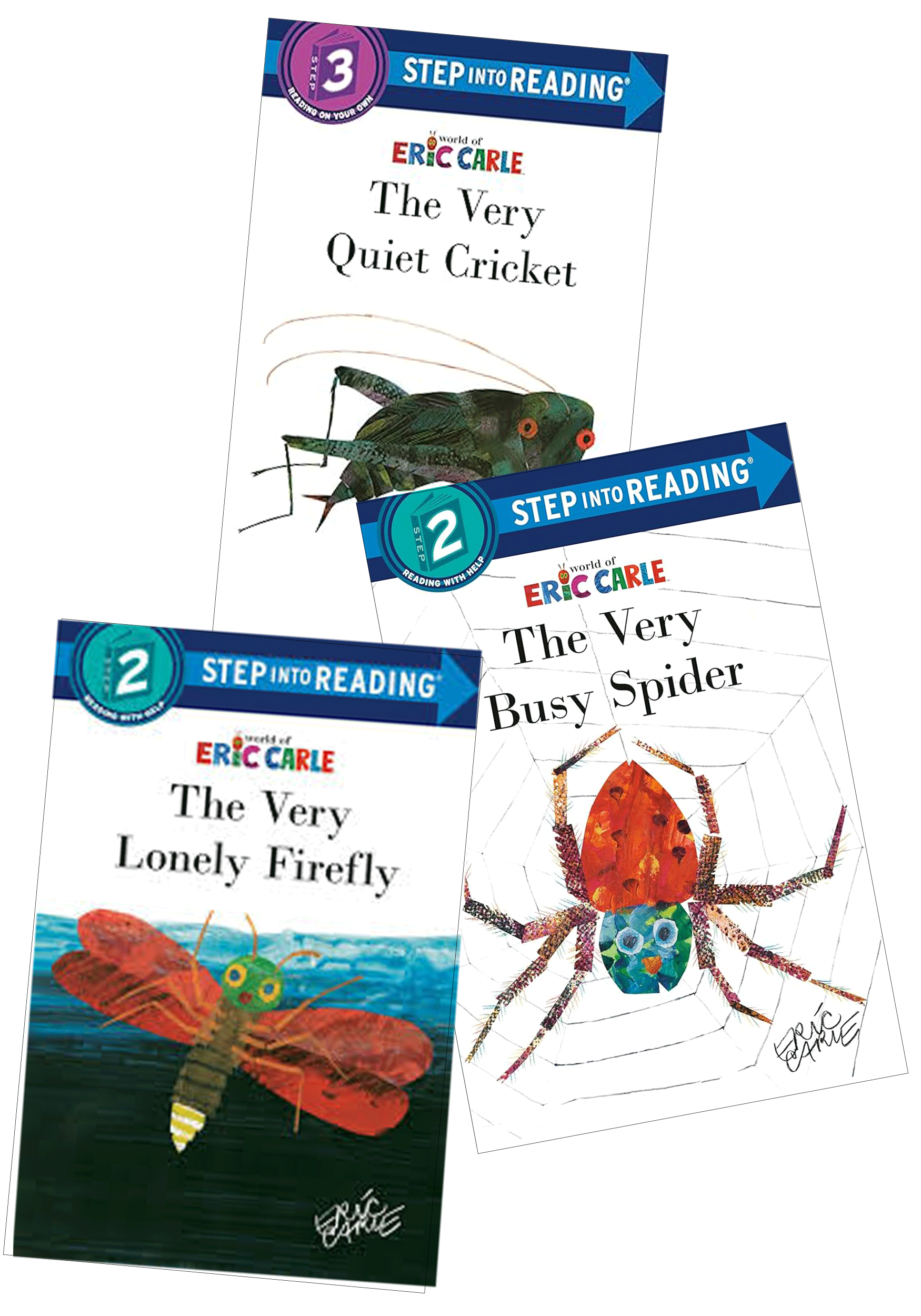
The Step into Reading Series
Eric Carle
Websites
You can also read more about insects on the following websites:
Responsible Pet Ownership
Healthy animals, healthy ecosystems, happy people
We love invertebrates as pets but we also love to see them in the wild, which is a joy that connects us to even the tiniest patches of nature. There is a lot you can do to make your yard more bug-friendly to support the nature around you.
However we also recognise that keeping invertebrates as pets can foster a deep important connection. We support sustainably-reared terrestrial invertebrates in the pet trade, so if you want an invertebrate pet, keep reading to find out more about how you can be the most responsible mini-pet owner.
Advantages of sustainably reared invertebrates
(1) Keeps ecosystems functioning
We have many ecosystems full of endemic species in small pockets of habitat. Species with limited ranges could be particularly vulnerable to over-collecting. Supporting captive breeding can help support these unique ecosystems in the wild, by reducing the pressure from the pet trade. If too many individuals are taken from the wild, they will not be able to carry out their roles in their unique ecosystems.
(2) Invertebrates make great choices for companion animals or pets
Easy to feed – lots of species don’t need feeding every day which can save time and money
Easy to house – take up a much smaller space than other traditional pets
Easy to handle – their often small size means they can be moved around
Long or short lived – they have a variety of life spans
(3) Animals are healthier if bred and reared in captivity
Like all animals, invertebrates can have diseases and parasites, leading to a shorter lifespan. If bred and raised in captivity, the age of the individuals should be known and the seller will be able to tell you how long they will live. Individuals are less likely to have parasites and diseases especially if purchased from reputable businesses.
Some questions that you could ask sellers
Where did this animal originate from?
Was it captive-bred and raised?
How old is the individual?
If the price is cheap - it could have been sourced from the wild. For some species, to breed and raise to adult would take many years and the cost to buy would reflect that – ask why is it priced so cheaply?